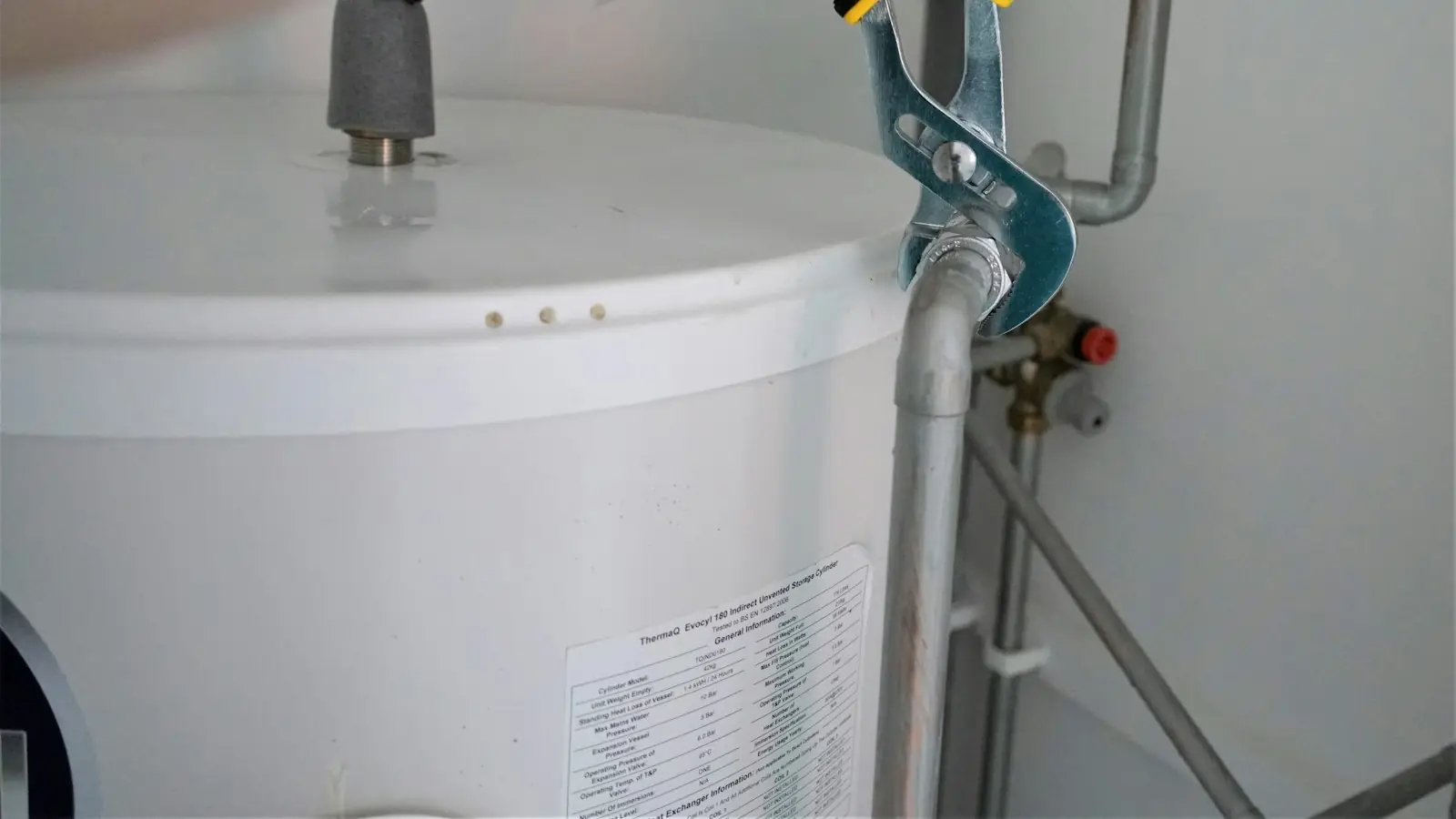
Quick answer: Rented equipment such as a water heater, furnace or air conditioner does not stop a sale, but it must be handled clearly. Find the rental contract early, decide whether the buyer will take over the rental or you will buy it out, list the rental items in the Agreement of Purchase and Sale, and ask your real estate lawyer to check title for any registration linked to the equipment. Surprises here are what delay closings.
Rental equipment is common in GTA homes, especially water heaters. Many sellers forget it is rented until the buyer’s lawyer asks about it. A little preparation keeps it a non-issue.
Step 1: Find Out What Is Actually Rented
Check your utility or rental bills for a monthly equipment charge. Look for a sticker or tag on the water heater, furnace, air conditioner, water softener or filtration system. Then contact the rental provider and ask for:
- A copy of the contract.
- The monthly rate and what it covers (maintenance, repairs).
- The contract term and the remaining time on it.
- The current buyout amount, if you want to own the equipment.
- Their process when a home is sold.
- Whether anything is registered against the property in connection with the contract.
Get this in writing. Ask for a dated buyout statement, as amounts can change over time.
Step 2: Assumption or Buyout?
Buyer assumes the rental
The most common approach with water heaters. The offer states that the buyer will take over the rental contract on closing. It is simple, but the buyer must agree, and some buyers prefer not to take on contracts, particularly on newer, higher-cost equipment.
Seller buys out the contract
You pay the buyout amount and the equipment becomes part of the home. This can make sense when the buyout is modest or when a buyer asks for it. Pay attention to how the buyout is calculated; some contracts include charges you may not expect.
Negotiate it in the offer
Sometimes the buyer asks the seller to pay out a contract as part of the deal, in exchange for something else, such as price or closing date. Treat it like any other term.
Step 3: Registrations on Title
Some rental and financing companies register a notice on title, such as a Notice of Security Interest (NOSI), to protect their interest in the equipment. A buyer’s lawyer or lender may ask for it to be dealt with before closing. Ontario has changed the rules around these registrations for certain household equipment in recent years, and how an older registration is treated can depend on the contract and the current law.
The practical advice is simple: ask your real estate lawyer to search title early, ideally before you list. If something is registered, they can tell you what is needed to deal with it and how long it may take. This article is general information, not legal advice.
What this means in the GTA
In competitive GTA markets, offers can be firm within days. If a registration surfaces in the final week before closing, it can create stress that nobody needs. Toronto, Peel and Halton sellers who sort out rental details before listing give buyers one less reason to hesitate.
Step 4: Disclose and Word the Offer Clearly
- List rented items in the listing details so buyers know from the start.
- Make sure the Agreement of Purchase and Sale names each rental item and says whether the buyer will assume it.
- Do not list rented equipment as an included chattel or fixture you own.
- Keep the contract and buyout statement ready for the buyer’s lawyer.
Clear wording at the offer stage avoids a dispute at closing. Our guide to conditional offers explains how terms and conditions fit together.
A Simple Checklist
| Task | When |
|---|---|
| Identify rented equipment | Before listing |
| Request contract and buyout statement | Before listing |
| Ask lawyer to check title | Before listing |
| Disclose rental items on the listing | At listing |
| Name rental items in the offer | At offer |
| Arrange transfer or buyout with provider | Before closing |
Common Situations and How They Are Usually Handled
“I did not know it was rented.”
This is more common than you might think, especially with water heaters installed by a previous owner. Contact the provider named on the unit, confirm the account is in your name, and get a copy of the contract before you list.
“The buyer wants it paid out.”
Get a dated buyout statement, check what it includes, and decide whether to agree, counter or trade it for another term, such as the closing date.
“The contract has years left.”
That is normal. A transferable contract can still be assumed by the buyer if they agree. Make sure the offer says so clearly.
“There is something on title I do not recognise.”
Let your lawyer handle it. They can identify what it is, who registered it and what is required to deal with it before closing.
In every case, the earlier you know, the easier the fix. A rental question discovered before listing is a short phone call; the same question discovered three days before closing can mean anxious calls between lawyers.
How We Help
Our full-service listing at a 1% listing-side commission includes preparing your listing details, offer negotiation, paperwork and conditions, and support through to closing, including coordinating with your lawyer on items like rental equipment. There are no upfront fees; commission is paid on closing, HST applies, and buyer-brokerage compensation is separate and negotiable. See our selling page and our pre-listing package for what to gather before you list.
Frequently asked questions
Do I have to buy out my rental water heater before selling?
Not necessarily. Many sales have the buyer assume the rental. It depends on what you and the buyer agree in the Agreement of Purchase and Sale and on your contract’s terms.
Can a buyer refuse to take over a rental contract?
Yes, a buyer can negotiate. They may ask you to buy it out or adjust another term. Settle it in the offer, not later.
What is a NOSI and why does it matter?
A Notice of Security Interest is a registration some companies have placed on title to protect their interest in equipment. Rules for these have changed in Ontario, so ask your lawyer to check title early and advise on what applies to your property.
Getting ready to sell? Book a free home evaluation and we will help you list everything that needs sorting before buyers see the home. Do you know which of your home’s equipment is rented?